New York Best Place to Live: Judge Buildings by Maintenance Risk
New York best place to live? For NYC co-op and condo boards, judge buildings by maintenance risk. Use this checklist to spot compliance and capex traps.
Share this insight
Apr 20, 2026

If you want “New York best place to live” to be true for your building, focus less on the block and more on maintenance risk. For a co-op or condo board, maintenance risk is the likelihood that normal building wear turns into (1) urgent repairs, (2) compliance deadlines, and (3) surprise assessments that make everyone miserable.
In NYC, two buildings on the same street can have totally different risk profiles based on age, construction type, past repairs, and how organized the board has been with records.
What “maintenance risk” means in a NYC co-op or condo
Maintenance risk is not “does the lobby look dated.” It is the stuff that triggers 2 a.m. calls, DOB paperwork, angry residents, and six-figure decisions.
In practice, it shows up as:
- Sudden capital projects: roof failure, leaking risers, failed parapet, elevator modernization.
- Compliance pressure: deadlines, inspections, violations, filings, penalties.
- Operational instability: unreliable heat/hot water, chronic leaks, recurring shutdowns.
- Information gaps: nobody can find the last report, proposal, warranty, or closeout letter.
That last one is sneaky. A small building can be in decent physical shape and still be high risk because the board cannot prove what was done, when, by whom, and what is due next.
NYC building types: common risk patterns you can predict
This is NYC-specific because our housing stock is weird and old in very consistent ways.
Prewar masonry (many co-ops)
Think 1910s to 1940s brick or limestone with steel, wood joists in some cases, lots of plaster.
Typical risk areas:
- Facade and parapets (cracking, spalling, loose lintels), which ties directly into the City’s Facade Inspection & Safety Program (FISP).
- Old domestic water and waste lines that fail in waves.
- Steam heat that is functional but unforgiving when controls, vents, or boiler maintenance slip.
Postwar brick (many small condos)
1950s to 1970s buildings often have simpler layouts and systems, but you see:
- Roof and window perimeter leaks that become chronic.
- Electrical capacity constraints (more resident load over time, not designed for today’s demand).
Newer construction (often condos)
You reduce some “old building” issues, but you pick up different ones:
- Waterproofing complexity (setbacks, terraces, amenity roofs).
- Facade systems that need specialized attention.
- More equipment (pumps, controls, ventilation) that requires disciplined preventive maintenance.
The 10-minute “maintenance risk screen” (what boards should check)
You are not doing an engineer’s inspection here. You are doing a board-level screen to decide: are we low risk, medium risk, or heading toward a financial and compliance wall?
Start with documents, not opinions.
The core question: “Can we prove the condition and the plan?”
Ask for the last 3 to 5 years of:
- Capital project proposals and contracts
- Inspection reports (facade, elevator, boiler, gas piping)
- DOB/FDNY filings and sign-offs
- Warranties and equipment manuals
- Board minutes where major repairs were approved
If you cannot locate these quickly, your building is already higher risk than it needs to be.
A practical scorecard (systems + NYC compliance)
| Area | What to ask for | Red flags | Why it matters in NYC |
|---|---|---|---|
| Facade (FISP/Local Law 11) | Latest FISP report and status | “SWARMP” or repairs repeatedly deferred | FISP cycles drive real deadlines, scaffolds, and large projects (DOB FISP info) |
| Roof and waterproofing | Roof age, last leak log, warranty | Active leaks, no warranty, patchwork fixes | Roof failures turn into mold fights, ceiling collapses, and insurance claims |
| Heat and hot water | Boiler service records, control upgrades, complaint history | Chronic outages, no service logs, outdated controls | In NYC, heat/hot water reliability is existential, residents will escalate fast |
| Plumbing stacks (supply and waste) | Leak history by line, scope or replacement plan | “We fix a leak every month,” no map of stacks | Small buildings get hammered by repeating unit damage and vendor churn |
| Elevator (if you have one) | Maintenance contract, recent inspections, shutdown history | Frequent outages, parts delays, no modernization plan | One elevator building with a failing elevator becomes a daily crisis |
| Gas piping inspections (LL 152) | Last inspection report and follow-ups | Missed cycle, unresolved conditions | Local Law 152 is a recurring requirement, missing it creates avoidable risk |
| Carbon and energy compliance (LL 97) | Building emissions pathway plan (if applicable) | “We will deal with it later,” no analysis | Local Law 97 can change capital planning, even for smaller buildings depending on size and use |
| Lead paint obligations (especially pre-1960) | Lead compliance records and policies | No documentation, unclear process for renovations | HPD rules are documentation heavy, and disputes get ugly fast (HPD lead paint info) |
| Water tank and backflow (if applicable) | Cleaning/testing records | No records, unclear vendor | These are easy to overlook until a test fails or a problem is discovered (DEP backflow prevention) |
A building can survive one weak category. What breaks boards is multiple weak categories plus no documentation.
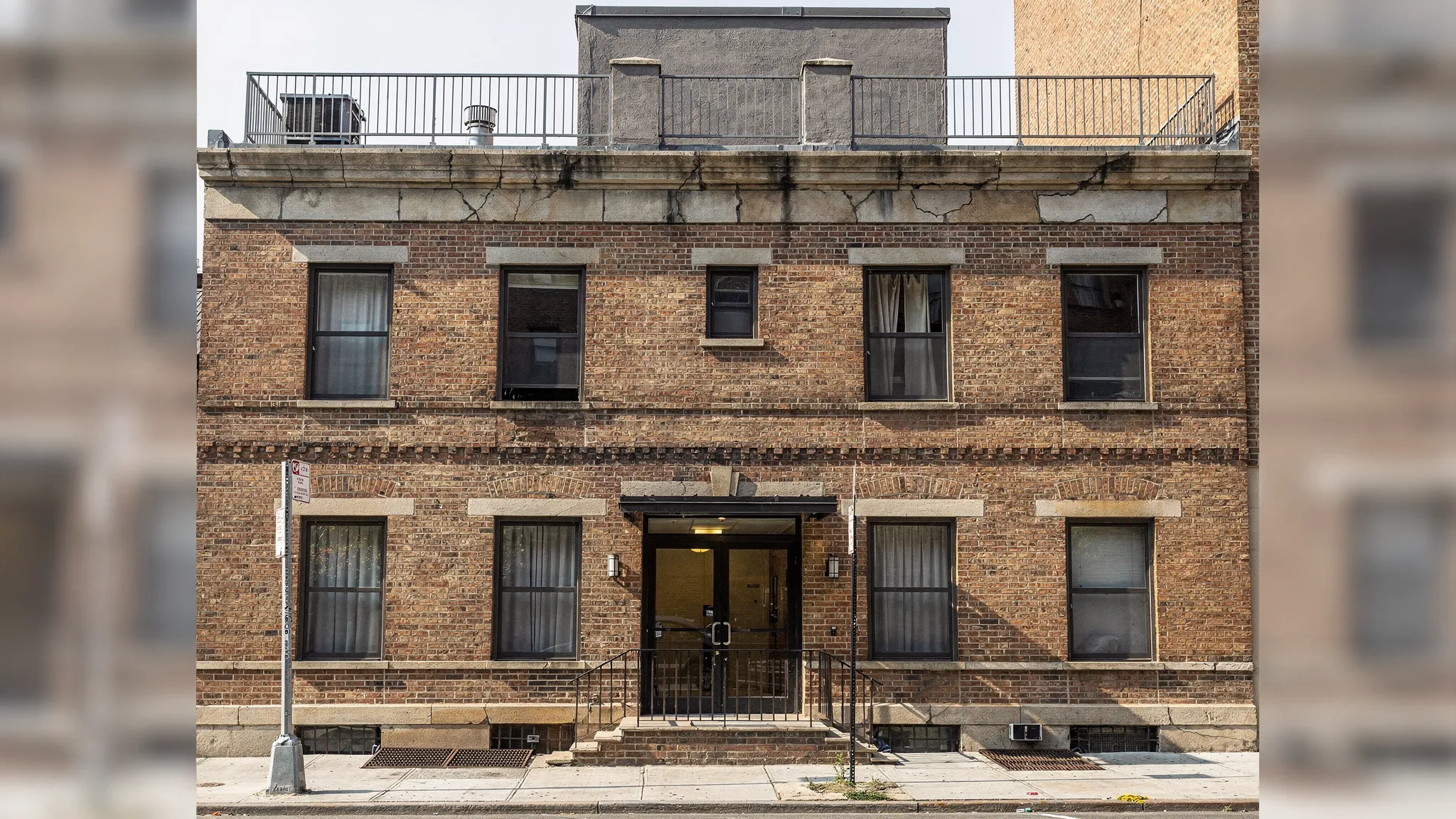
How to use this screen in a real board meeting
The goal is not to panic residents. The goal is to turn “we should probably…” into an actual plan.
1) Convert red flags into a 12-month action list
Pick the 3 to 5 items with the highest “pain potential”:
- Anything with a known deadline (FISP cycle, LL 152 cycle)
- Anything causing repeated damage (leaks, recurring backups)
- Any system with single-point-of-failure risk (boiler, main pumps)
Then assign an owner (board member) and a due date for “get the documents” and “get the next inspection/proposal.”
2) Build a simple capital calendar
You do not need a 40-tab spreadsheet. You need a shared calendar that says:
- What inspections repeat, and when
- What warranties expire, and when
- What equipment is nearing end-of-life, and what the board decided last time
When this lives only in one person’s email, your building is one resignation away from chaos.
3) Fix the “where are the files?” problem for good
Small buildings waste serious time re-learning their own history.
If your board keeps:
- the latest inspection reports
- approved proposals and signed contracts
- closeout letters and warranties
- a running log of building issues
in a shared, structured place, you will reduce risk immediately. Not because the roof magically improves, but because decisions get faster, cleaner, and cheaper when you are not starting from zero.
This is also where a board-specific platform like Boardly fits naturally: a single home for documents, board communication, and the operational paper trail that makes future boards competent on day one.
What “low maintenance risk” actually looks like
Low risk does not mean new construction. It means:
- You can pull the last report in under a minute.
- Your biggest systems have known ages and service history.
- You can name the next required inspections and who handles them.
- Recurring issues are tracked, not rediscovered.
That is how NYC stays livable, block by block, building by building.
Frequently Asked Questions
What is the fastest way to tell if a building is high maintenance risk? If the board cannot produce recent inspection reports, service records, and past project files quickly, risk is high even if the building “looks fine.”
Is facade work the biggest risk for NYC buildings? Often, yes, because FISP drives deadlines and large, disruptive projects. But chronic leak and boiler instability can be just as damaging day-to-day.
Do small co-ops and condos really need an organized document system? Yes. Small buildings have less staff, fewer vendors on retainer, and more board turnover. Organization is the difference between predictable maintenance and constant firefighting.
How does Local Law 152 affect co-ops and condos? It requires periodic gas piping inspections (if the building has gas piping). Missing cycles or ignoring findings creates avoidable compliance and safety risk. See the City’s Local Law 152 page.
What should we do if we find multiple red flags at once? Prioritize anything with deadlines and anything causing repeated damage. Then get one qualified professional opinion per system, not five opinions on everything.
Make maintenance risk easier to manage (without turning it into a second job)
If your building’s knowledge is scattered across personal inboxes, old PDFs, and half-remembered conversations, you are taking on unnecessary maintenance risk.
Boardly is built for small NYC co-ops and condos that want one place for building documents, board communication, and operational continuity. Take a look at Boardly and start by centralizing your latest inspection reports and major repair history. Your next board transition will thank you.
Editor's Note
Ready to stay ahead of every building?
Boardly gives NYC boards and property managers the tools to stay compliant, organized, and on the same page.
Get Started Free