New York City Home Address: Prevent Returned Mail and Missed Notices
Prevent returned mail and missed DOB/HPD notices. A practical checklist for NYC co-op and condo boards to manage every New York City home address.
Share this insight
Apr 22, 2026
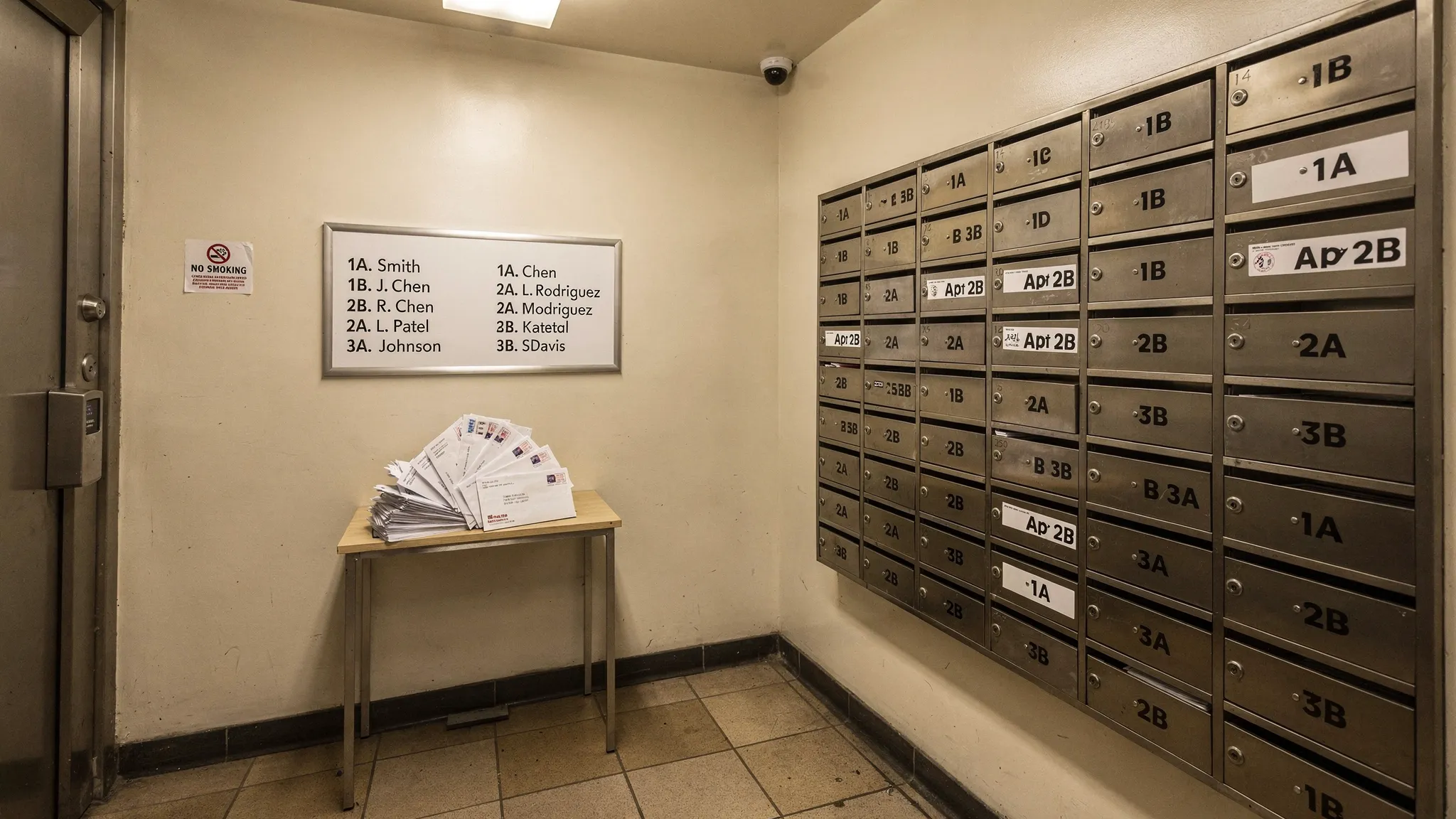
In NYC, “address” sounds simple until it isn’t. For a small co-op or condo, one wrong or outdated New York City home address can mean returned mail, missed deadlines, and fees that a volunteer board ends up cleaning up.
The fix is not fancy. It is getting serious about which addresses you maintain, where they come from, and how you update them.
Why returned mail happens in NYC buildings (even when the address looks right)
Returned mail usually comes from one of three problems:
1) Your building has multiple “addresses of record”
Different entities keep different lists, and they drift.
- Your shareholder ledger or unit owner roster (what the board uses)
- City registrations and portals (what NYC uses)
- Utility and vendor accounts (what bills use)
- Legal notices (what process servers and attorneys use)
If you are self managed, there is often no single person consistently updating all of them.
2) Owners do not live where you mail
In many NYC condos and some co-ops, owners:
- moved and never updated the board
- use a business address or attorney address
- hold title in an LLC with mail going to an old registered office
That is normal, but only if you have the correct mailing address and a reliable backup.
3) NYC delivery issues are real
Even if your list is perfect, mail still bounces when:
- apartment numbers are missing or formatted inconsistently (Apt 3B vs #3B)
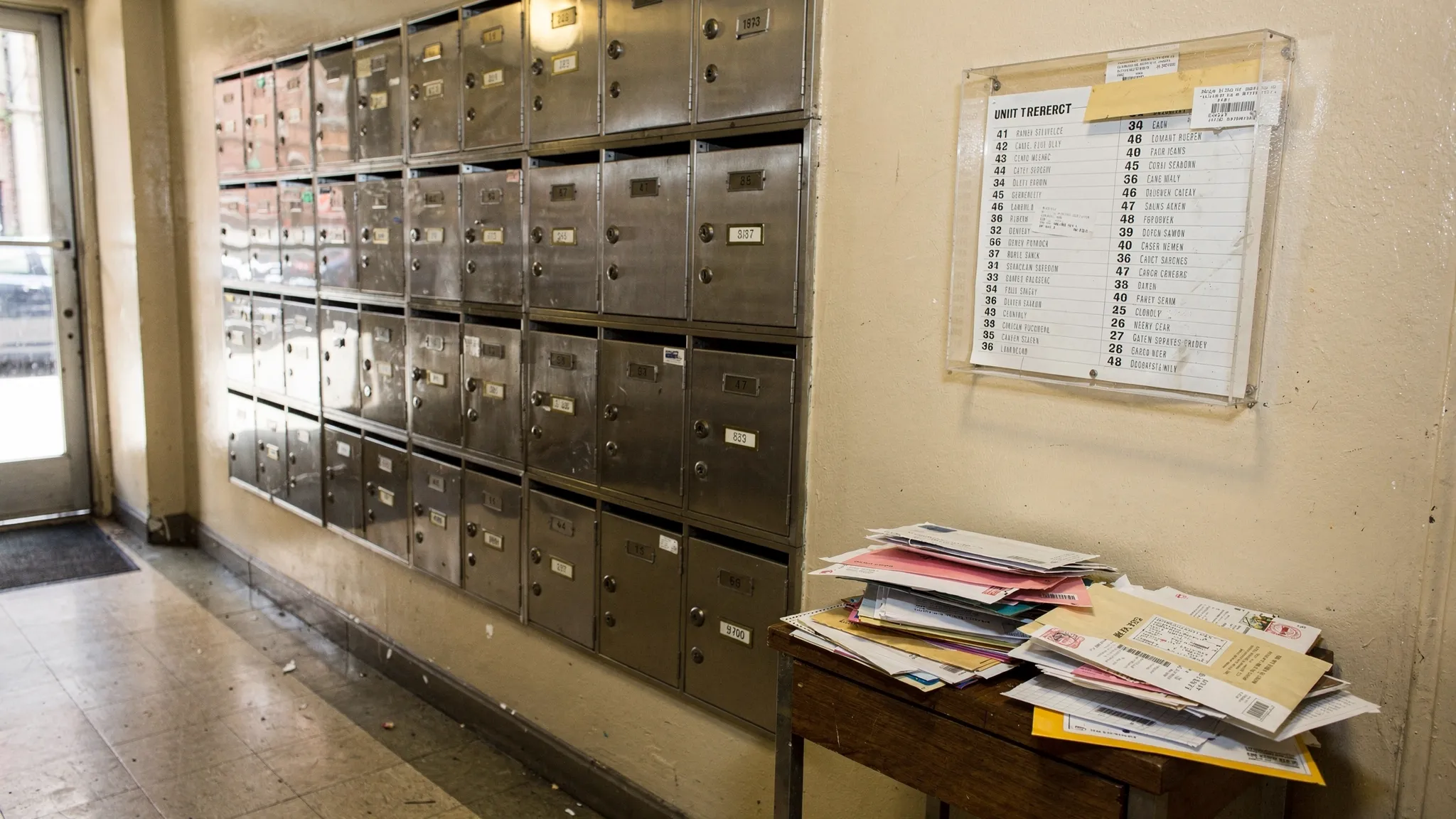
- mailboxes are unlabeled, labels do not match names, or the directory is wrong
- the “official” building address used by agencies differs from what you put on letters
A small vestibule upgrade or label cleanup can prevent months of nonsense.
Mail you cannot afford to miss (and where the address comes from)
Some notices are annoying. Others are expensive when ignored. The key is knowing which system is sending the mail and what address it is using.
| Notice type | Common sender | What address they use | What happens if you miss it |
|---|---|---|---|
| Violations, summonses, compliance notices | DOB / ECB | Contacts in DOB systems and/or address on record for the property | Late penalties, hearings you did not attend, escalating enforcement |
| Building-wide maintenance and safety issues | HPD | HPD registration contact info | Missed deadlines, harder enforcement path, tenants or owners lose confidence |
| Property-related bills and reminders | NYC Department of Finance (DOF) | DOF mailing address on file | Late charges, missed filings (including time-sensitive programs) |
| Water and sewer billing | NYC DEP (water) | Billing address on the DEP account | Arrears, liens, avoidable disputes |
| Insurance notices (cancellation, non-renewal) | Your broker / carrier | Whatever is on the policy and broker file | Coverage gaps, lender problems, emergency board meetings |
You do not need to become an expert in every agency. You need a board habit: when something important arrives, ask “what address did they send this to?” and fix the source, not just the symptom.
Helpful NYC starting points:
- HPD owner registration (where applicable): HPD Online
- DOB online systems: DOB NOW
- DOF property finance and taxes: NYC Department of Finance
A practical address-audit routine for boards (takes 45 minutes quarterly)
This is the low-effort routine that prevents the high-effort fire drills.
Maintain one “board master” address record per unit
For each unit (or shareholder), keep:
- Primary mailing address (where official notices should go)
- On-site address (the unit address, even if different)
- Backup contact method (email and phone)
If an owner uses an attorney or business address, record it exactly as they want it used. The problem is not that it is different, the problem is that it is unknown or stale.
Standardize how you write addresses
NYC mail sorting is unforgiving. Pick a format and stick to it:
- “APT 3B” (not “#3B”)
- Full borough spelling (or consistent abbreviations)
- Correct ZIP
If you are unsure about the “canonical” USPS formatting for your building, check it with the USPS ZIP Code Lookup. You are not doing this to be pedantic. You are doing it to stop returned mail.
Reconcile your master list against real-world returns
Do not just toss returned envelopes.
Create a simple “returned mail log” (date, unit, sender, reason if shown). If you see the same unit twice in a quarter, treat it as a data problem that must be closed.
Update the city-facing records you control
Two common misses in small buildings:
- HPD registration contact info (for buildings where HPD registration applies)
- DOB contact points tied to filings and safety items
When contact information changes (new board president, new mailing address, new management setup), update the relevant system promptly. Do not assume the city will “figure it out” from your letterhead.
Fix the building-side causes of bad delivery
If your building has chronic delivery problems, address operations, not just paperwork:
- Make sure mailboxes and buzzers are labeled with unit numbers and names that match your roster.
- Put a simple printed directory inside the vestibule where carriers can see it.
- If you have multiple entrances (front vs side street), be consistent on official mail with one entrance address.
This is boring. It also prevents missed DOB or insurance mail that costs real money.
When you need proof: treat outgoing notices like a board process
Boards get burned when they cannot prove they sent something.
When you send time-sensitive building notices (policy changes, access notices, compliance scheduling), keep:
- the final notice version
- the recipient list used that day
- delivery method (mail, email, hand delivery)
- any certified mail receipts (when appropriate)
You are not doing this to “be formal.” You are doing it so a future board member can understand what happened without re-litigating it.
Where better board organization actually helps
Returned mail is rarely only a mail problem. It is usually a record-keeping problem: spreadsheets on personal laptops, emails in someone’s inbox, and no shared source of truth.
A lightweight platform like Boardly can help by keeping building documents, board communication, and operational records in one place, so address updates, returned mail notes, and “who notified whom” do not disappear when a volunteer gets busy.
Frequently Asked Questions
What is the “official” address for our NYC building? Usually the address recognized by USPS and used in city systems for the building. If you see mismatches across agencies or vendors, verify the USPS formatting and then align your templates and accounts to it.
Should a co-op or condo use a PO Box to stop returned mail? A PO Box can help for stability (especially during lobby construction or staffing changes), but it does not fix bad owner mailing addresses or outdated city registrations. Treat it as one tool, not the system.
How often should we update our unit owner mailing addresses? At minimum, do a quarterly check and fix anything that has generated returned mail. Also prompt owners to confirm their mailing address during annual housekeeping items (financial package season is a natural moment).
What if an owner refuses to provide an off-site mailing address? You can still keep an on-site address and require a working email and phone for building operations. For co-ops, address and notice requirements are often tied to your proprietary lease and house rules, so align your process with your governing documents.
Keep every address current without turning it into a second job
If your board is juggling rosters, violations, vendor notices, and resident communication across email threads and scattered files, it is easy for an address change to get lost.
Boardly is built for small NYC co-ops and condos to centralize building documents, board communication, and day-to-day operations in one place. If you want fewer “who has the latest list?” moments and fewer missed notices, you can explore it at Boardly.
Editor's Note
Ready to stay ahead of every building?
Boardly gives NYC boards and property managers the tools to stay compliant, organized, and on the same page.
Get Started Free